The Short Answer
Count air movers by the lanes of airflow the wet area needs, not by a per-room number: each mover covers the focused lane it is aimed at, so a room needs as many movers as it takes to overlap airflow across the whole wet carpet or floor. The square footage of the wet field, the placement of the movers, and the wetness of the carpet set the count, and the commercial answer is almost always more than one mover. One mover dries one lane. The rest of the room waits.
The sizing order is simple. Measure the wet field, set the movers so their airflow lanes overlap it wall to wall, and add movers until the coverage is complete. Then let the pass run, because carpet drying takes real time and the movers need to stay put while the air does the work. Coverage first, count second, patience always.
Sizing the Drying Crew to the Room
The lane method is the formula nobody writes down. Every air mover pushes a focused column of airflow, and that column covers one lane of wet surface, so the room's mover count is really its lane count. Lay the lanes across the wet carpet or floor like parking spaces, overlap the edges so no strip of moisture sits between lanes, and the number of lanes is the number of movers. Coverage is the formula, and lanes are the units. Lane the wet field first, and the count answers itself.
Square footage is where the sizing starts, but it is the wet square footage, not the room's total. A 20-foot by 30-foot room with a wet corner needs fewer movers than the same room with a wet half, because the lanes only have to cover what is actually drying. Measure the wet field, rough out the lane layout, and the room size stops being the distraction it usually is. Size to the wet area, and the room takes care of itself. Dry square footage is the only square footage that counts.
Carpet is the drying surface that punishes under-counting, because the moisture hides in the backing and pad below the nap. The extractor pulls the surface water, and the air mover lanes dry what is left, which is why the carpet drying pass runs longer than the hard floor pass and needs the full lane coverage to finish evenly. Wet carpet gets the full lane layout and the time it demands. The carpet dries from the air movement, and the air movement needs every lane.
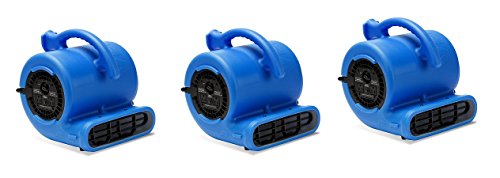
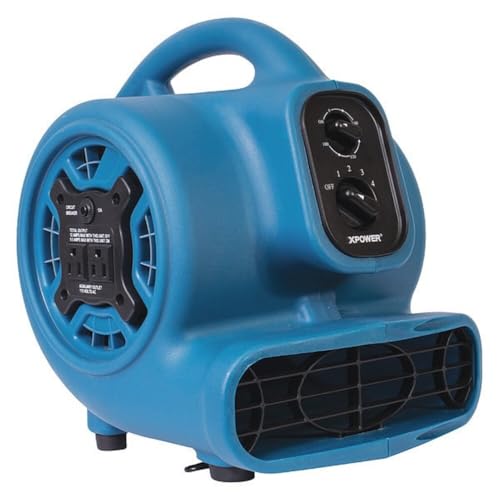
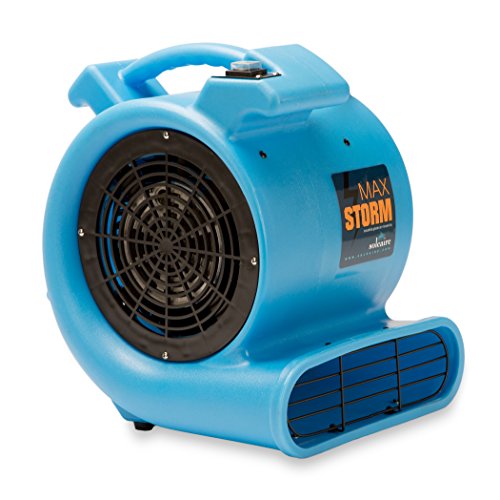
The honest commercial answer is that a drying room usually needs more than one air mover. One mover covers the lane it is aimed at, and the rooms that actually need drying are bigger than one lane. That is why the mover fleet exists as a fleet: stackable frames, rows of movers, and a layout that overlaps the whole wet field. Buy movers in multiples, and run them as a drying crew. One mover is a start. A row of movers is a drying system.
The air mover count is the lawn sprinkler question in reverse. One sprinkler waters the patch it reaches, and the lawn needs as many sprinklers as it takes to cover the grass. The wet carpet is the lawn, the mover lanes are the sprinkler arcs, and the overlaps are what keep the dry spots away. Cover the field, and the field dries evenly. Nobody waters a lawn with one sprinkler and calls it done.
| Wet area | Mover layout | Why |
|---|---|---|
| Small wet corner | 1 to 2 movers | One lane covers the small field |
| Half a room wet | 2 to 3 movers | Lanes overlap the wet half wall to wall |
| Whole room after extraction | Row of movers | Full coverage across the wet carpet |
| Open commercial floor | Multiple rows | The wet field spans beyond one lane layout |
What This Means for Your Operation
Size the drying crew to the wet field, not the room. Lay out the airflow lanes, overlap them across the whole wet area, and run enough movers to cover the field wall to wall. The placement guide fills in the angles, and the pass times follow the surface. Air mover placement for carpet drying is the companion read to this one.
Frequently Asked Questions
How many air movers do I need per room?
Can one air mover dry a whole room?
Does square footage matter for air mover sizing?
How long should air movers run on a drying job?
Reference Standards for This Category
Published standards and programs that buyers in this category are typically accountable to. Listed for context, not as an endorsement of any product on this page.
Related
 Review
 Review
 Review