The Short Answer
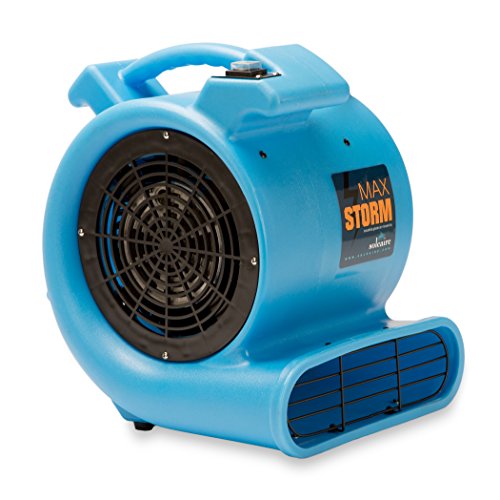
The cheapest air mover worth buying is the Soleaire Max Storm, a budget entry with a published 1/2 HP motor that actually moves the airflow a drying job needs. The step up in value is the B-Air VP-25, the standard mover that costs more and delivers the stackable fleet position. Budget drying starts with the Max Storm, and the upgrade path runs through the VP-25. Buy the cheapest mover that dries, and no cheaper.
The buying order is simple. Check the motor spec first, because the motor is what moves the air, and then check the build for the commercial route. A mover with a weak motor at a low price is not a deal, it is a drying job that never finishes, and the hours it wastes cost more than the upgrade. The cheapest mover is the one that finishes the pass.
The Cheapest Air Movers That Actually Dry
The Soleaire Max Storm is the budget pick because it does the one thing a cheap air mover has to do: publish a real motor. Its 1/2 HP spec leads this class on paper, its lightweight frame moves through the job, and its CFM-class airflow covers the carpet and floor drying a new business actually meets. The full case is in the Soleaire Max Storm review. When the budget is the first spec, the Max Storm is the entry that does not waste it. The budget pick wins by refusing to act underpowered.
The B-Air VP-25 is the step up that most crews take next, because the budget question usually becomes a fleet question. The VP-25 adds the stackable frame that packs multiple movers into one footprint, holds the commercial standard position, and dries carpet and floor with the same class of airflow. The VP-25 is the value answer when the second mover is already in the plan. Budget buys the first mover. Value buys the fleet.
The cheap aisle is full of fans with air mover pretensions, and the cost of the wrong one is not the price tag, it is the drying hours. A mover that cannot push real airflow leaves the carpet wet, the pass running long, and the invoice shrinking as the hours add up. The cheap mover that does not dry is the most expensive mover in the aisle. Price is paid once. Drying time is paid every job.
The budget math runs on CFM, the airflow spec that decides drying speed, and the motor is the part that delivers it. The Max Storm's 1/2 HP motor is the budget aisle's proof that entry price does not have to mean entry power, and the buyer who checks the motor before the price gets the actual deal. Motor first, price second, and the budget spends itself right. The spec sheet is the budget's best friend.
| Budget profile | Pick | Why |
|---|---|---|
| First mover, tight budget | Soleaire Max Storm | 1/2 HP motor at the entry price |
| Fleet building by year two | B-Air VP-25 | Stackable standard that grows with the route |
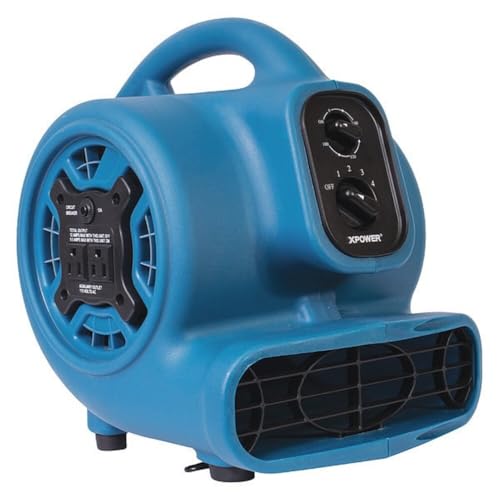
| Scheduled drying from the start | XPOWER P-230AT | Timer and daisy chain justify the step up |
| Test run on a small route | Soleaire Max Storm | Real drying power without the fleet investment |
What This Means for Your Operation
Spend the drying budget on the motor, and the fleet grows from the work. The Soleaire Max Storm covers the budget start, and the B-Air VP-25 covers the value step when the route needs a stackable standard. Either way, the machine that moves real airflow is the one the budget was actually for.
Frequently Asked Questions
What is the cheapest air mover worth buying?
Are cheap air movers any good?
What is the difference between a cheap fan and a cheap air mover?
How much should I spend on a first air mover?
Reference Standards for This Category
Published standards and programs that buyers in this category are typically accountable to. Listed for context, not as an endorsement of any product on this page.
Related
 Review
 Review
 Review