The Short Answer
Encapsulation is the interim carpet cleaning method, and hot water extraction is the restorative method, and commercial programs run encapsulation between extractions to keep carpets presentable at a lower cost with faster dry time. Encapsulation surrounds soil in a polymer that dries to a powder for vacuuming, while hot water extraction injects and recovers solution to flush the pile. The methods are partners on the calendar, not rivals in the aisle.
The choice between them is really a schedule question. When the carpet needs to look clean and the room needs to be back in service fast, encapsulation fits the window. When the pile has soil below the surface and the calendar allows a real dry time, hot water extraction is the deep clean that resets the carpet. Programs that run only one method leave either the surface or the schedule on the table. The method should match the month, not the marketing.
The Two Methods: Encapsulation and Hot Water Extraction
Encapsulation is the low-moisture system built for the months between deep cleans. The encapsulation chemical surrounds each soil particle in a polymer shell, and as the carpet dries, the polymer crystallizes the soil into a powder that the next vacuum pass removes. The method is fast to run, fast to dry, and gentle on the schedule, which is why it is called the interim clean. Encapsulation keeps the carpet presentable between the days it gets truly flushed. It is maintenance dressed as a cleaning method, and that is its strength.
Hot water extraction is the restorative deep clean: the machine injects heated solution into the pile, agitates it, and recovers the water and soil together, flushing what encapsulation only freezes for later. It is the method that resets the carpet, removes the deep soil and residue, and restores the pile's look and life. The trade is the schedule: extraction puts real water into the carpet, so dry time and room availability are part of the plan. Hot water extraction is the deep clean the calendar has to make room for. Restorative means the carpet leaves the day better than it arrived.
Encapsulation is sweeping the kitchen every night: fast, dry, and it keeps the room presentable. Hot water extraction is the deep kitchen clean: water, effort, and downtime, done on the schedule. Nobody picks one over the other. They run the sweep nightly and the deep clean monthly. Carpet programs are calendars, not loyalties.
The practical split is dry time and cost. Encapsulation puts almost no water into the carpet, so rooms come back into service fast and the per-visit cost stays low, which suits high-traffic facilities on a budget calendar. Hot water extraction costs more per visit and takes the room out of service while the carpet dries, but it delivers the restorative result that interim chemistry cannot. The budget and the calendar pick the method for each visit. Fast and frequent versus deep and scheduled: both are line items.
- Encapsulation: low-moisture interim method, fast dry time, lower cost per visit, vacuumed out later
- Hot water extraction: restorative deep clean, injects and recovers solution, resets the pile
- The schedule: encapsulation between extractions, extraction on the restorative calendar
What This Means for Your Operation
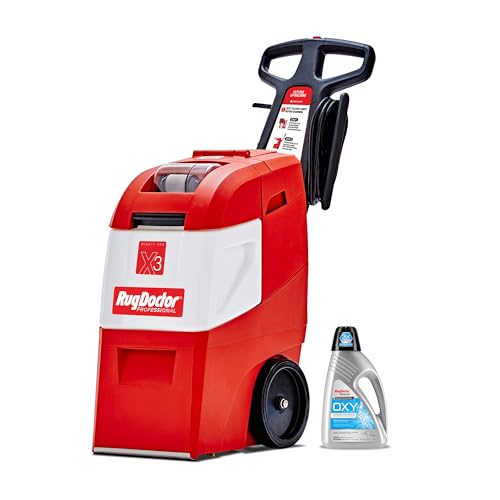
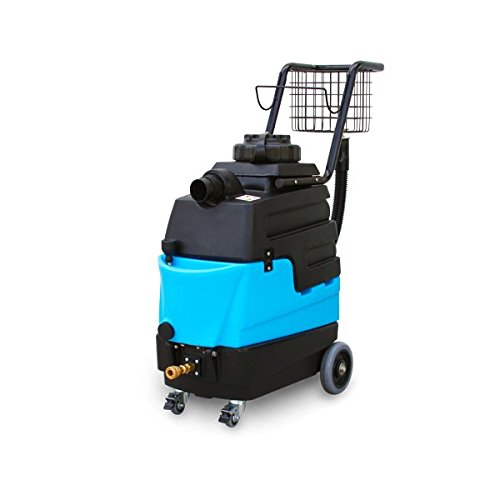
Build the program around both methods and the carpet stops being a complaint. Encapsulation keeps high-traffic areas presentable between visits, and hot water extraction resets the pile on the restorative calendar. The machines follow the methods: an extractor for the deep clean days, and encapsulation chemistry for the interim rounds.
Frequently Asked Questions
What is the difference between encapsulation and hot water extraction?
Is encapsulation as good as hot water extraction?
Can I use encapsulation instead of extraction every time?
Reference Standards for This Category
Published standards and programs that buyers in this category are typically accountable to. Listed for context, not as an endorsement of any product on this page.
Related
 Review
 Review
 Review