The Short Answer
The best carpet cleaning solution for a commercial extractor is a low-foam extraction formula designed for the machine, applied at the label's dilution, with a separate pre-spray for traffic lanes and encapsulation chemistry for interim maintenance. Lines like Chemspec and Bissell Professional build their extractor products around low-foam chemistry for a reason: foam is the enemy of recovery. Match the chemistry to the pass, and dilute to the label.
The three-bottle system is simple. The extraction solution runs through the machine tank for the wet pass. The pre-spray goes on soiled lanes ahead of the machine and gets dwell time. The encapsulation chemical is the low-moisture option for the months between deep cleans. Each bottle does one job, and the label is the spec sheet for all three. The right chemistry, at the right dilution, in the right pass.
The Solution Lineup: Foam, Dilution, and the Three Bottles
Low foam is not a preference on an extractor, it is a mechanical requirement. The recovery system pulls air and water across a separator, and foam fills that separator, which costs the machine its suction and leaves the carpet wetter than the wand intended. Commercial lines like Chemspec formulate their extractor products low-foam so the recovery half keeps working. The best solution is the one the machine can actually recover. Suds belong in a bucket of dishes, not in a recovery tank.
The two-bottle mistake is using one product for everything. Pre-spray is built stronger because it sits on the pile and works ahead of the machine, and extraction solution is built for the tank at a gentler dilution. Using the pre-spray in the tank over-cleans and over-suds; using the tank solution as a pre-spray under-works the traffic lanes. Professional lines sell both because the passes need both. One bottle for the sprayer, one for the tank, and the label keeps them honest.
The dilution ratio on the label is not a suggestion, it is the product's engineering. Too strong and the solution leaves residue that re-soils the carpet and loads the recovery tank with foam. Too weak and the chemistry stops lifting soil, which crews usually answer by re-running the pass and wetting the carpet twice. Follow the label's dilution and the machine's fill line, and measure with the cup that ships with the product. The label's ratio is the cheapest spec on the job.
The third bottle is the encapsulation chemical, the low-moisture system for interim maintenance between restorative deep cleans. Encapsulation polymers surround the soil and crystallize it into a powder that the next vacuum pass removes, which is why the method pairs with routine vacuuming. Encapsulation does not replace extraction. It stretches the calendar between extractions. The interim chemical buys the carpet time between the deep clean days.
| Pass | Product | Role |
|---|---|---|
| Tank solution for the extraction pass | Low-foam extractor solution | Cleans the pile without defeating recovery |
| Traffic lanes ahead of the machine | Pre-spray | Breaks soil down during dwell time |
| Interim months between deep cleans | Encapsulation chemical | Low-moisture maintenance, vacuumed out later |
What This Means for Your Operation
The chemistry plan is as important as the machine plan. Low-foam extraction solution for the tank, pre-spray for the lanes, and encapsulation for the interim keep the extractor recovering at full strength and the carpet clean between deep cleans. Buy the commercial lines the machines were designed for, and dilute to the label.
Frequently Asked Questions
What is the best carpet cleaning solution for an extractor?
Can I use regular detergent in a carpet extractor?
What is the difference between pre-spray and extraction solution?
Reference Standards for This Category
Published standards and programs that buyers in this category are typically accountable to. Listed for context, not as an endorsement of any product on this page.
Related
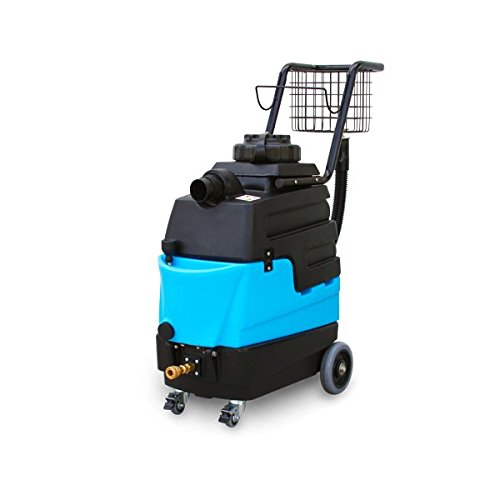 Review
 Review
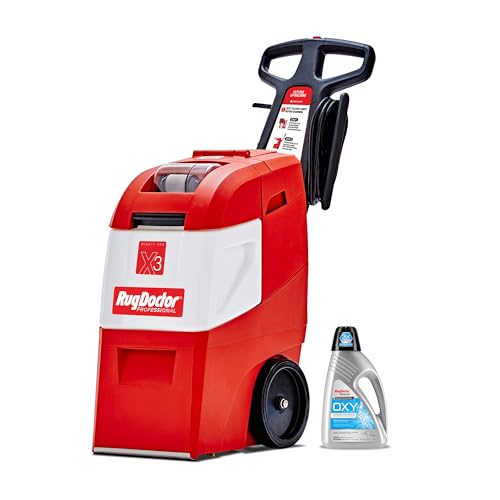 Review