The Short Answer
Cut carpet extractor drying time by limiting the wet pass, running dry passes until the wand stops pulling water, aiming air movers and fans across the wet carpet, and lowering humidity in the room, in that order. The extractor decides how much water stays in the pile. The air mover and dehumidifier decide how fast the room gives it back. Wet carpet is not a waiting problem. It is a drying-system problem.
The chain has four links and they compound. Fewer pass counts of solution mean less water to remove. Stronger suction removes more of what goes down. Air movers and fans keep the pile surface working, and lower humidity gives the water somewhere to go. Skip any link and the hours stretch; run all four and the carpet is dry on schedule. Drying time is managed at the wand and at the door, never by the clock.
The Drying Chain: Pass Count, Suction, Air, Humidity
The extraction pass is where drying time is won or lost. A slow wet pass lays solution into the pile, and the dry pass that follows pulls it back out, so the machine should never leave a lane without its recovery pass. Every wet pass without a matching dry pass is water the room has to evaporate instead of the machine removing it. The wand is the first air mover. Use it like one.
Suction is the extractor's contribution to drying, and it is the half that gets ignored when the conversation turns to airflow. A machine with strong recovery leaves the pile damp, not wet, and damp carpet dries in a fraction of the time. Keep the recovery path clear, the hose free of blockages, and the pickup in full contact with the pile. Good suction is free drying time. What the wand fails to lift, the room has to bake out.
Imagine the wet carpet as a soaked sponge. The extractor is the hand that squeezes it, the air mover is the breeze that finishes the job, and the dehumidifier is the dry air that keeps the sponge from re-wetting. None of the three can do the whole job alone. The fastest drying room is the one where all three show up.
Once the wand has done its work, the room takes over. Air movers and fans keep air moving across the carpet surface, which carries moisture off the pile instead of letting it sit in a humid boundary layer. Aim the airflow across the longest path of the wet carpet and keep it running until the carpet reads dry. Air movement is the cheapest drying equipment on the job. The fan does not heat anything. It just refuses to let the water rest.
The last link is the air itself. When humidity in the room is high, water has nowhere to evaporate and the carpet stays damp no matter how many fans run. That is the moment a dehumidifier earns its spot: it pulls moisture out of the air so the carpet can give its water back. On humid routes, the dehumidifier is not optional equipment, it is the finish line. The room that cannot accept water is a room that keeps it.
- Pass count: match every wet pass with a dry recovery pass
- Suction: keep the recovery path clear so the wand lifts what it lays
- Air movers and fans: keep airflow across the pile until the carpet reads dry
- Dehumidifier: pull humidity down when the room cannot accept the water
What This Means for Your Operation
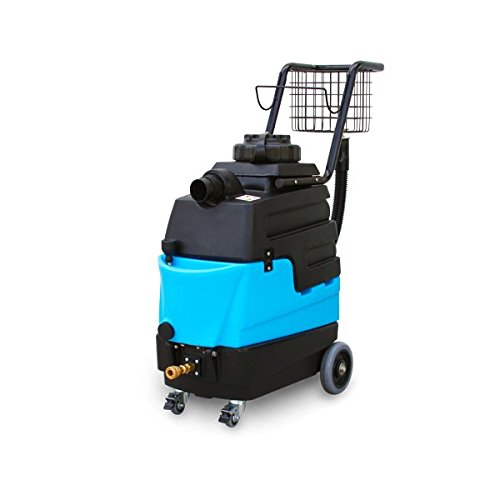
Drying time is revenue, and the route that controls it wins the schedule. Fewer passes, stronger suction, air movers across the pile, and lower humidity get the carpet dry faster than any machine setting alone. On the machine side, heated extraction leaves the pile closer to dry when the wand lifts, which is why the heated portable class earns its place on stain and turnaround routes.
Frequently Asked Questions
How long does carpet take to dry after extraction?
What makes carpet dry faster after extraction?
Do air movers really cut carpet drying time?
Reference Standards for This Category
Published standards and programs that buyers in this category are typically accountable to. Listed for context, not as an endorsement of any product on this page.
Related
 Review
 Review
 Review