The Short Answer
A 28-inch wide area vacuum pays for itself when open floor area dominates your routes. It covers roughly twice the floor per pass of a 14-inch upright, which turns hours of open-floor vacuuming into a fraction of the labor. In buildings full of rooms, doors, and furniture, the same machine becomes an expensive cart that cannot turn. The floor plan decides the value.
The purchase logic is simple: wide machines win straight passes. If your contract is a lobby, a convention hall, or a warehouse with long aisles, the 28-inch class is a labor purchase disguised as equipment. If the route is guestrooms and offices, keep the standard uprights and spend the money elsewhere.
What a 28-Inch Path Does to Labor Cost
Vacuuming a lobby or open venue with a 14-inch upright is a long series of straight passes, and every pass costs labor. A 28-inch wide area machine cuts the number of passes roughly in half, which is the difference between assigning a crew member for the evening and folding the floor into another task. Twice the width, half the passes, same hourly rate.
The wide area class earns its keep where the floor is continuous and open: convention halls, ballrooms, gymnasiums, and warehouse aisles. These are the routes where the machine never turns, so width is pure productivity. Coverage per labor hour is the entire business case.
In hotel corridors, classrooms, and offices full of furniture, a 28-inch machine is too wide to maneuver and too heavy to justify. The wide pass stops being an advantage the moment the floor forces a turn, and the standard 14-inch upright class wins those buildings outright. Buy width for the open floor, not for the building.
Wide Area vs the Standard Upright Fleet
The comparison is coverage math, not brand loyalty. On an open floor at the same walking speed, a 28-inch machine covers about twice the square feet per hour of a 14-inch upright. When the route is 90 percent open floor, that math buys the machine in labor savings within a contract cycle. The machine pays rent by the hour, and the wide one works cheaper.
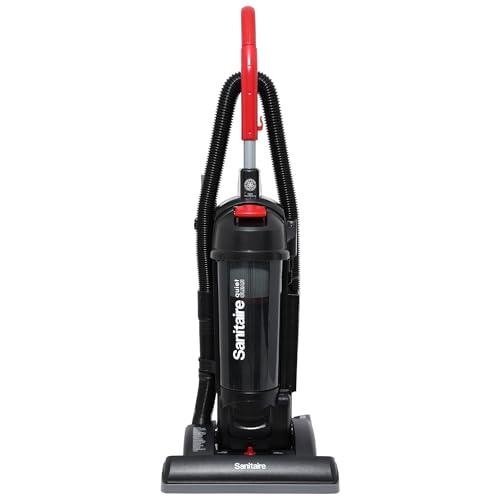
Bissell builds one of the familiar names in the wide area class, and the category also includes dedicated commercial wide area machines from other brands. The spec that matters is the 28-inch path and the build rated for nightly use, because a wide machine that breaks is a wide machine in the shop. Check the duty rating before you check the width.
- Open floors dominate: the 28-inch class cuts passes roughly in half
- Rooms and turns dominate: standard 14-inch uprights win the building
- Nightly rating: the wide machine has to survive commercial duty
- Labor math: width is a labor purchase when the floor is open
What This Means for Your Operation
Run the coverage math on your actual route before buying. If lobbies, venues, or warehouse floors fill the schedule, the 28-inch wide area machine pays for itself in labor. If the schedule is rooms and offices, standard uprights remain the answer and the wide area budget goes back in the van fund. Let the floor plan write the purchase order.
Frequently Asked Questions
Is a wide area vacuum worth it for a small cleaning business?
How wide is a wide area vacuum?
Can a wide area vacuum replace a standard upright fleet?
Reference Standards for This Category
Published standards and programs that buyers in this category are typically accountable to. Listed for context, not as an endorsement of any product on this page.
Related
 Review
 Review
 Review