The Short Answer
Use a cartridge filter for the mixed wet and dry day, a foam filter when wet pickup is the whole job, a bag for dry fine dust with clean disposal, and a HEPA-grade filter when the site is dust-sensitive. The cartridge system is the commercial workhorse because it handles wet pickup and dry pickup in one rotation without a swap. Match the filter to the day, and the machine keeps pulling.
The swap rule matters more than the chart. A clogged filter strangles the suction long before it looks dirty, and a wet-day filter choice on a dry-dust job is a machine that stops working on schedule. Check the filter before the job, not during it, and maintenance stops being a mystery. The cheapest part on the machine controls the most expensive result: a stopped crew.
The Wet/Dry Vac Filter Types, Explained
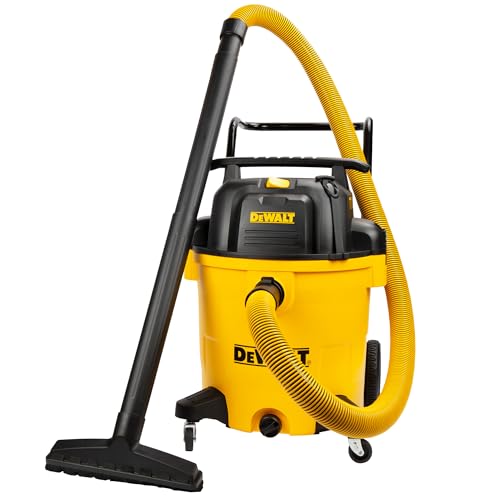
The cartridge filter is the commercial answer because it does not make the crew choose. It handles wet pickup and dry pickup in the same rotation, which is exactly the day a cleanup route runs: water this morning, dust this afternoon, no pit stop between them. In this class, the Ridgid 1650RV and the DeWalt DXV16PA both run cartridge filters for that reason. The cartridge is the filter for the mixed day. No swap means no lost minutes and no forgotten parts.
The foam filter is the wet side of the family: a sleeve that sits over the intake and handles the wet pickup jobs where water is the whole story. Foam breathes under water loads and rinses clean for the next pass, which makes it the honest choice for crews that run wet work most of the time. The trade is that foam is a wet specialist, not a fine-dust answer. Match the foam filter to the water days, and let the dry side use its own tool. Specialists do their one job very well.
The bag is the dry side of the family: a disposable liner that catches dry pickup debris and makes disposal a clean pull-and-toss instead of a dust cloud. Bags are the answer for the dry fine dust and debris that would pack a bare filter, and they keep the machine interior cleaner between services. The trade is that bags are dry-only, so the wet day runs without one. The bag is the tidy answer to the dry half of the week. Disposal is a feature, and the bag owns it.
The HEPA filter is the fine dust answer for the jobs where the air matters: post-construction pass-throughs, sensitive buildings, and the sites that inspect the cleanup. HEPA-grade filtration catches the fines a standard filter lets through, which protects the space after the crew leaves. The honest note is that none of the machines in this class publish a HEPA system, so the dust-sensitive buyer shops the HEPA class directly. HEPA is a job requirement, not an upgrade. When the site is sensitive, the filter is the spec.
Filter maintenance is the cheapest insurance in the wet/dry class. A filter packed with dust forces the motor to work harder for less suction, and a wet filter run on a dry job collapses the airflow mid-pass. The routine is simple: match the filter to the day, clean or swap it when the pull drops, and keep the spare in the kit. A machine with a fresh filter is a machine that finishes the shift. The motor is only as good as the filter that feeds it.
| Filter type | Best day | Trade |
|---|---|---|
| Cartridge | Mixed wet and dry rotation | The commercial workhorse, no swaps |
| Foam | Wet pickup as the whole job | Rinses clean, not a fine-dust answer |
| Bag | Dry dust and debris | Tidy disposal, dry-only |
| HEPA | Dust-sensitive sites | Fine-dust filtration, shop the HEPA class |
What This Means for Your Operation
The filter is a route decision, not an afterthought. Cartridge systems carry the commercial mixed day, foam carries the wet specialists, bags carry the dry debris, and HEPA carries the sensitive sites. Stock the right filter for the rotation, and the machine pulls every shift it is asked to run.
Frequently Asked Questions
What are the different types of wet/dry vac filters?
Do I need a special filter for wet pickup?
How often should I clean or replace a wet/dry vac filter?
Are HEPA filters worth it on a wet/dry vacuum?
Reference Standards for This Category
Published standards and programs that buyers in this category are typically accountable to. Listed for context, not as an endorsement of any product on this page.
Related
 Review
 Review
 Review