The Short Answer
PSI and water lift are different halves of the extraction cycle: PSI is solution pressure that pushes cleaning chemistry into the pile, and water lift is suction that pulls the water and soil back out, and on commercial carpet the machine that underperforms either half leaves a worse result than the spec sheet suggests. Deep soiled carpet needs the push; drying time and residue need the pull. Read them together, because the cycle runs together.
The confusion comes from comparing the numbers like they compete. A machine with strong water lift and weak pressure cleans the surface but leaves traffic-packed soil behind. A machine with high PSI and weak recovery leaves the carpet wet and re-soiling. The commercial answer is the machine that balances both against the soil you actually clean. One number never wins the extraction. The cycle does.
The Two Specs: PSI and Water Lift Explained
PSI stands for pounds per square inch, and on a carpet extractor it describes the solution pressure that pushes water and chemistry out of the machine into the pile. Higher pressure injects the solution deeper, past the surface soil and into the traffic-packed base of the carpet where the cleaning actually happens. A machine like the Powr-Flite PFX1350 publishes 150 PSI, which is the spec its pressure story is built on. Pressure is the half of the cycle that gets the chemistry where the dirt lives. The push decides how deep the clean goes.
Water lift measures the suction side of the machine, usually in inches of water lift, and it describes how hard the recovery system pulls water back out of the pile. Strong lift means the wand leaves the carpet damp instead of wet, which protects drying time and keeps dissolved soil from re-depositing as it dries. Machines that skip the lift story, like the suction-driven class, rely on the vacuum end of the system doing the same job with different numbers. Lift is the half of the cycle the client experiences as a dry carpet tomorrow. The pull decides how clean and dry the carpet ends up.
PSI is the showerhead: it decides how hard the water hits the surface. Water lift is the drain: it decides how fast the water leaves. A strong shower with a weak drain leaves a flooded floor, and a weak shower with a great drain cleans nothing. You need both, sized to the soil.
When a brochure lists water lift, the number is expressed in inches, and it describes how high the machine's suction could pull a column of water. Higher inches mean stronger recovery, and the honest reading is relative: compare lift figures between machines in the same class, not across portables and mid-size units, because tank size and wand design change the story. The number matters most when it is missing, because no published lift means the recovery story is the weak one. A spec that is absent is usually a spec that lost.
The order of the cycle is the spec nobody argues about: extraction works when the machine injects, agitates, and recovers in one rhythm. High PSI with weak recovery leaves a wet, re-soiling carpet, and strong water lift with weak pressure leaves the deep soil in place. Commercial machines earn their price by keeping both halves honest on the route. The cycle is the spec. The two numbers are just its bookends.
- PSI: solution pressure, the push that injects chemistry into the pile
- Water lift: suction measured in inches, the pull that recovers the water
- Together: inject, agitate, recover, or the extraction cycle is only half finished
What This Means for Your Operation
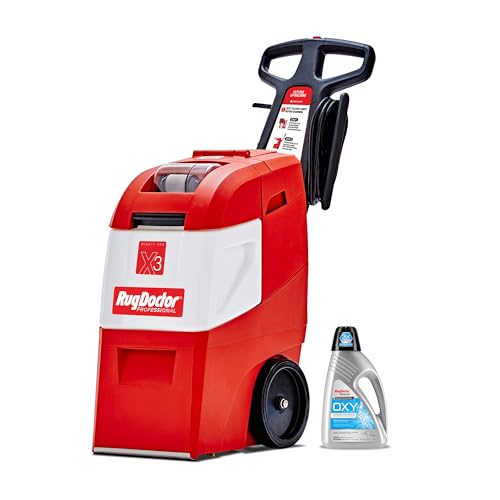
Read the two specs as a cycle, not a contest. Deep soiled commercial carpet needs the pressure to inject and the lift to recover, and the machine that publishes both halves is the machine built for the route. On the reviewed machines, the PFX1350 publishes 150 PSI with water lift, and the Rug Doctor Pro X3 makes its argument with big-tank, suction-driven recovery on open footage.
Frequently Asked Questions
Does higher PSI mean a carpet extractor cleans better?
What is a good water lift number on a carpet extractor?
Which matters more, PSI or water lift?
Reference Standards for This Category
Published standards and programs that buyers in this category are typically accountable to. Listed for context, not as an endorsement of any product on this page.
Related
 Review
 Review
 Review